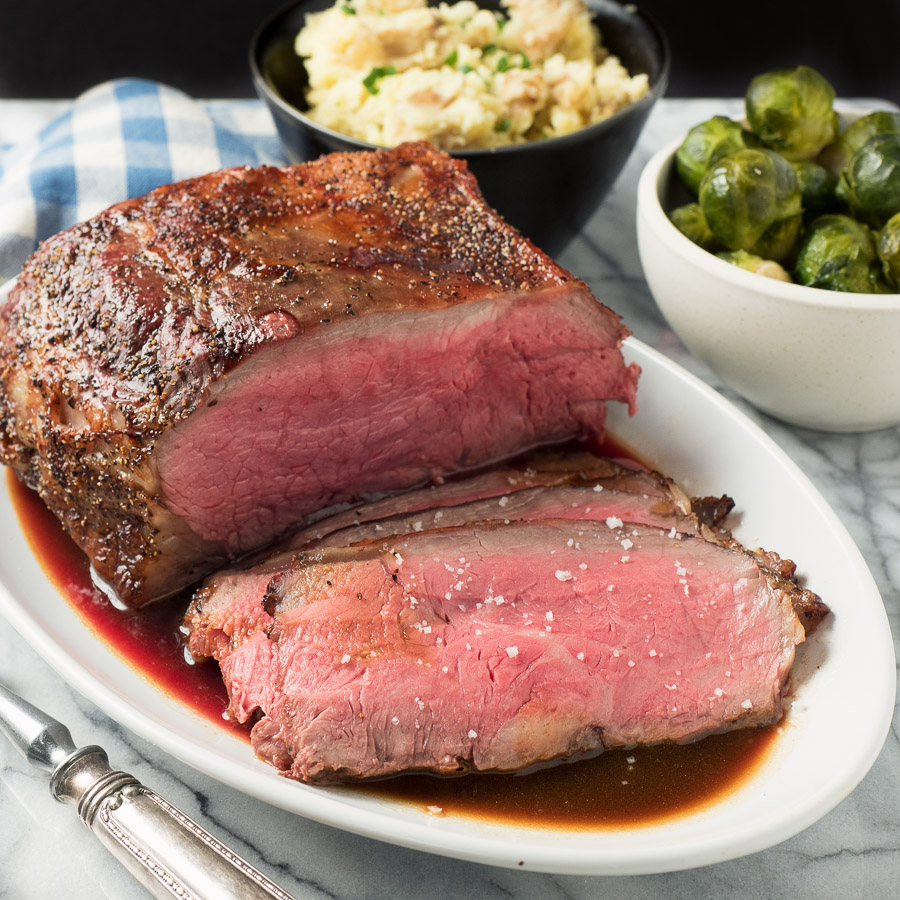
Elevate Your Dinner Party: Crafting the Perfect Roast Beef with Demi-Glace Sauce
There are dishes, and then there are *dishes*. The kind that make guests gasp, that become the stuff of legend at your dinner table, and that truly showcase culinary mastery. Achieving a perfect roast beef with demi glace sauce falls squarely into the latter category. This isn't just Sunday dinner; this is a serious culinary endeavor, designed to impress and delight even the most discerning palates. Forget the dry, unevenly cooked roasts of the past – we're about to unlock the secrets to a restaurant-quality centerpiece, guaranteed to have your diners raving.
While often perceived as a daunting task, mastering this dish is entirely within reach, thanks to two powerful techniques: the reverse sear method and the magic of demi-glace. These aren't just fancy chef terms; they are the fundamental pillars that elevate a good piece of beef into an unforgettable dining experience. Let's delve into how you can make this impressive dish a repeatable success in your own kitchen.
The Dynamic Duo: Demi-Glace and Reverse Sear Explained
What sets this particular roast beef apart? It's the strategic combination of an age-old French sauce technique with a modern roasting method. Together, they create a symphony of flavor and texture that is truly unparalleled.
Unleashing the Power of Demi-Glace: Your Flavor Grenade
Demi-glace is more than just a sauce; it's an elixir of flavor, a culinary secret weapon long cherished in high-end restaurant kitchens. Imagine the deepest, richest, most concentrated beef stock, simmered for hours, reduced to a velvety, intensely savory essence. That's demi-glace. It provides an unparalleled depth of umami and a luxurious mouthfeel that a simple pan sauce simply cannot replicate.
- What it is: A highly concentrated, deeply flavored brown sauce made by reducing brown stock, often with mirepoix (onions, carrots, celery) and sometimes tomato paste, until it’s thick and syrupy. Its richness comes from the slow extraction of collagen and flavor compounds from roasted bones.
- Why it's essential: When you craft a perfect roast beef with demi glace sauce, the demi-glace acts as the backbone, infusing every bite with a profound beefy essence. It transforms the pan drippings into a glossy, sophisticated sauce that screams gourmet.
- Sourcing: Making traditional demi-glace from scratch is a labor of love, requiring hours of simmering and reduction. However, it freezes beautifully, allowing you to pull out a "flavor grenade" whenever you need to elevate a dish. If time is a constraint, don't despair! High-quality demi-glace can be purchased from specialty food stores, reputable butchers, or online. Look for brands that list real beef bones and vegetables as primary ingredients, avoiding those with excessive additives.
The Science of Perfection: Mastering the Reverse Sear
The other critical component in achieving perfect roast beef is the reverse sear. This technique flips traditional roasting on its head, starting low and slow before finishing with a high-heat sear. The results are transformative:
- Even Doneness: The primary benefit of reverse searing is an incredibly even doneness from edge to edge. Gone are the days of a thick band of grey, overcooked beef surrounding a small, perfect pink center. With the reverse sear, you get consistently tender, perfectly pink meat throughout almost the entire cut.
- Superior Texture: Slow roasting at a lower temperature gently cooks the meat, minimizing moisture loss and resulting in a more tender, juicy interior.
- Crisp Crust: The final high-heat sear creates a beautiful, deep brown, flavorful crust (the Maillard reaction) that adds incredible texture and complexity, contrasting wonderfully with the tender interior.
- How it works: The beef is roasted at a low oven temperature (e.g., 225-275°F / 107-135°C) until it reaches just shy of your desired internal temperature. This gentle cooking allows the heat to penetrate uniformly. It's then removed from the oven, rested, and finally seared at a very high temperature in a hot pan or under a broiler for a few minutes to develop that irresistible crust.
Selecting and Preparing Your Ideal Roast
To ensure your perfect roast beef with demi glace sauce truly shines, selecting the right cut of beef is paramount. While prime rib is a classic, a boneless strip loin (often referred to as a New York strip roast) offers incredible flavor and tenderness with the added convenience of no bones to carve around. Its consistent shape also makes it ideal for even cooking with the reverse sear method.
- Choosing Your Cut: A strip loin offers excellent marbling and a distinct beefy flavor. Look for a well-marbled piece (streaks of fat within the lean muscle) as this fat renders during cooking, contributing to juiciness and flavor. Other excellent choices include beef tenderloin for ultimate tenderness (though less marbling), or even a sirloin tip roast for a more economical option, though adjustments to cooking time may be needed.
- Preparation is Key:
- Temper the Meat: Always allow your roast to come to room temperature for at least 1-2 hours before cooking. This helps it cook more evenly.
- Season Generously: Don't be shy with seasoning. A simple yet effective rub includes coarse salt, freshly cracked black pepper, garlic powder, and perhaps some dried rosemary or thyme. Press the seasoning firmly into all sides of the beef.
- Pat Dry: For the best sear, ensure the surface of your beef is as dry as possible before it goes into the oven. Pat it thoroughly with paper towels.
For a deeper dive into the nuances of beef selection and preparation, you might find Master Perfect Roast Beef: Demi-Glace & Reverse Sear Secrets an invaluable resource.
Building the Restaurant-Style Demi-Glace Sauce
While the beef is the star, the sauce is what truly unites and elevates the dish into the realm of a perfect roast beef with demi glace sauce. The beauty lies in utilizing the flavorful pan drippings created during the searing process.
- The Fond Foundation: Once your reverse-seared roast beef has rested (this is critical – never skip resting!), it's time to create the sauce. The pan used for searing will have developed a rich "fond" – those beautiful, caramelized brown bits stuck to the bottom. These are packed with flavor!
- Deglazing: Remove any excess fat from the pan, leaving just a thin layer. Place the pan over medium heat. Pour in a splash of liquid – beef stock, red wine, or even a bit of water – and immediately scrape up all those delicious brown bits with a wooden spoon. This process is called deglazing, and it's fundamental to any good pan sauce. Allow the liquid to reduce slightly, concentrating the flavors.
- Incorporating Demi-Glace: Once the pan is deglazed and the liquid has reduced, slide in your prepared or store-bought demi-glace. Stir continuously as it melts and blends with the pan drippings. Let it simmer gently for a few minutes to fully combine and warm through. Taste and adjust seasoning as needed. You might want to add a tiny knob of cold butter at the very end and swirl it in off the heat for extra richness and gloss.
- Straining for Silkiness: For a truly restaurant-quality finish, pour the sauce through a fine-mesh sieve. This removes any small bits, resulting in an incredibly smooth, velvety sauce that glistens on the plate.
This method ensures that every drop of flavor from your roast beef is captured and incorporated into a luxurious sauce that perfectly complements the tender meat. If you're looking to truly Impress Guests: Restaurant-Style Roast Beef with Demi-Glace Sauce, this sauce technique is your secret weapon.
Achieving Perfection, Every Single Time
Claiming "perfect roast beef every time" is a bold statement, but with the reverse sear and demi-glace method, it's remarkably achievable and repeatable. The key takeaways for consistent success include:
- Invest in a Good Thermometer: An accurate oven-safe meat thermometer is your best friend. It takes the guesswork out of roasting and ensures you hit your desired doneness every time. For medium-rare, aim to pull the beef from the oven when it reaches 125-130°F (52-54°C), as it will continue to cook a few degrees as it rests.
- Don't Rush the Rest: Resting the meat after roasting is non-negotiable. It allows the juices to redistribute throughout the roast, resulting in a more tender and juicy final product. Tent it loosely with foil for at least 15-20 minutes for smaller roasts, and up to 30 minutes for larger ones.
- Slice Against the Grain: Always slice roast beef against the grain of the meat. This shortens the muscle fibers, making each slice incredibly tender and easy to chew.
Conclusion: Your Path to Culinary Stardom
Crafting a perfect roast beef with demi glace sauce might sound ambitious, but by embracing the techniques of reverse searing and leveraging the profound flavor of demi-glace, you're not just cooking a meal; you're creating an experience. This dish is the epitome of elegance, a true showstopper that will undoubtedly leave a lasting impression on your guests. Take the leap, follow these guidelines, and prepare to be hailed as a culinary hero. The closest you'll ever come to absolute perfection on a plate is now within your grasp – try it, decide for yourself, and watch your guests fall in love with your cooking.
