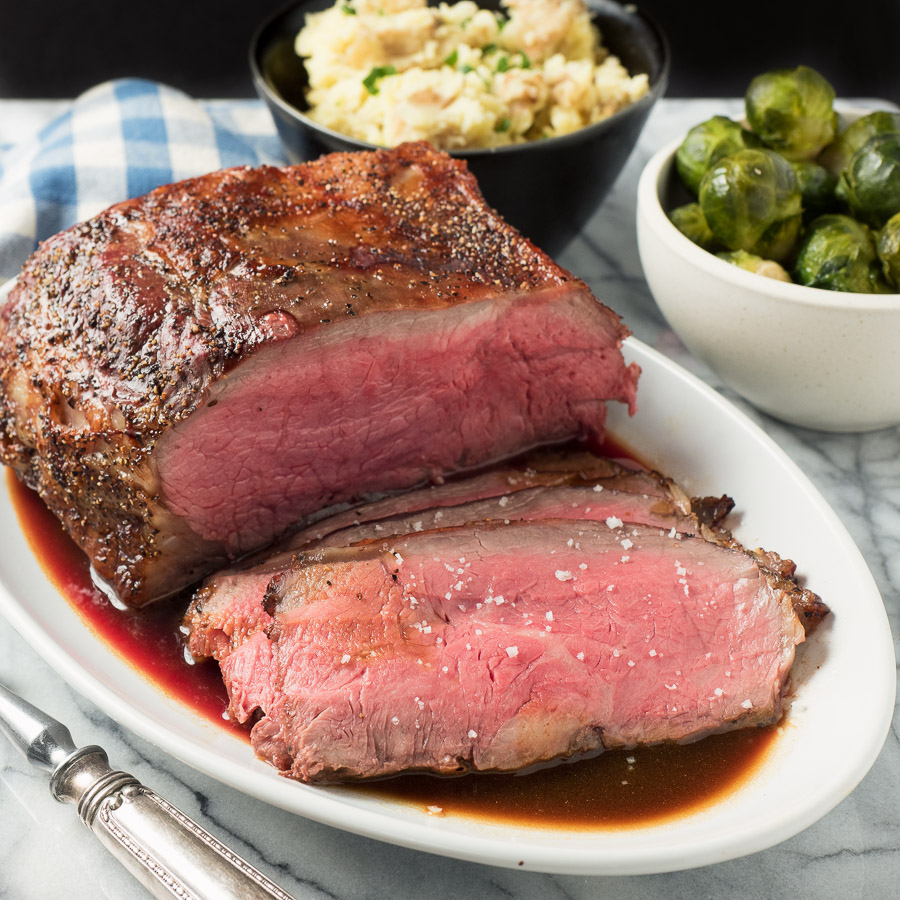
Master Perfect Roast Beef: The Ultimate Guide to Demi-Glace & Reverse Sear
Imagine presenting a glistening, perfectly cooked roast beef at your next dinner party – every slice a consistent rosy pink from edge to edge, accompanied by a rich, deeply flavored sauce that could rival any high-end restaurant. This isn't just a dream for professional chefs; it's an achievable reality for the home cook willing to embrace two transformative culinary techniques: a masterful demi-glace sauce and the revolutionary reverse sear method. Together, these elements elevate a simple cut of beef into the kind of show-stopping dish that will have your guests raving. Achieving the *perfect roast beef with demi glace sauce* is less about innate talent and more about understanding and applying these proven secrets.
The Magic Duo: Demi-Glace and Reverse Sear
What truly sets this roast beef apart, pushing it into the realm of the extraordinary, are these two powerful techniques. They are, in essence, the "secret weapons" that top restaurants employ to consistently deliver exceptional quality and flavor. By adding them to your culinary arsenal, you're not just cooking; you're crafting an experience.
Unlocking Flavor with Demi-Glace
Demi-glace is more than just a sauce; it's a foundation of flavor, a concentrated essence of beef stock, often enriched with mirepoix, tomato paste, and wine, meticulously simmered for hours to reduce into a thick, glossy, intensely flavorful elixir. It's often described as a "flavor grenade" – a small amount can transform an entire dish. The depth and complexity it brings to your roast beef sauce are unparalleled, offering umami, richness, and a silky texture that store-bought broths simply cannot replicate.
While making demi-glace from scratch is a labor of love – requiring roasted bones, vegetables, and a significant time commitment – it's an investment that pays dividends. You can prepare it in large batches and freeze it, pulling out a portion whenever you need to elevate your cooking to stratospheric levels. For those occasions when time is of the essence, high-quality ready-made demi-glace is available. Seek it out at specialty food stores, trusted butchers, or reputable online retailers. It's an indispensable component for any aspiring gourmet.
Achieving Perfection with Reverse Sear
The traditional method of roasting often results in meat that's well-done and grey around the edges, with only a small, perfectly pink center. The reverse sear method, however, guarantees an evenly cooked roast from one side to the other. This technique involves slow-roasting the beef at a low temperature until it reaches just shy of its desired internal doneness, then finishing it with a high-heat sear to develop a beautiful, flavorful crust.
The beauty of the reverse sear lies in its scientific approach. By cooking slowly, the muscle fibers gently relax, resulting in incredibly tender meat. This gentle cooking also allows for a more even distribution of heat, minimizing the grey band often associated with high-heat roasting. The final high-heat blast creates the Maillard reaction – that desirable browning and crust formation – without overcooking the interior. The result? Every single bite is as tender and perfectly cooked as the last, eliminating any compromise.
Crafting the Restaurant-Quality Demi-Glace Sauce
While having a good demi-glace is key, knowing how to transform it into the ultimate pan sauce is what truly brings your roast beef together. This is where the magic of deglazing and finishing comes into play, creating a sauce that tastes like it came straight from a Michelin-starred kitchen.
The foundation of any great pan sauce begins with the glorious "fond" – those flavorful brown bits left clinging to the bottom of your pan after searing the beef. These aren't burnt residue; they're concentrated packets of flavor, crucial for a truly remarkable sauce.
1. **Deglazing the Pan:** Once your roast beef has been removed from the pan (and is resting, which is essential!), carefully pour off any excess fat, leaving just the flavorful fond. Place the pan over medium heat. Pour in a splash of good quality beef stock, red wine, or even a bit of brandy. Using a wooden spoon or spatula, vigorously scrape up all those beautiful brown bits from the bottom of the pan. As they dissolve into the liquid, they infuse it with incredible depth. This process, known as deglazing, is absolutely critical for any dish involving a pan sauce.
2. **Adding the Demi-Glace:** Once the fond has dissolved and the liquid has reduced slightly, it’s time to introduce your prepared demi-glace. Slide it into the pan and stir gently, allowing it to warm through and meld with the deglazed flavors. The sauce will begin to thicken and take on a rich, glossy sheen.
3. **Finishing Touches:** Allow the sauce to simmer for a few minutes, reducing to your desired consistency. For an ultra-smooth, restaurant-quality finish, pour the sauce through a fine-mesh sieve or chinois to remove any small impurities. You can whisk in a knob of cold butter at the very end (off the heat) for extra richness and a luxurious shine, and season with salt and freshly ground black pepper to taste. Perhaps a sprig of fresh thyme or rosemary could also be steeped briefly for an aromatic infusion.
This vibrant, savory pan sauce, bolstered by the power of demi-glace, is the perfect accompaniment to your perfectly cooked roast beef. For more insights on elevating your presentation, consider reading
Impress Guests: Restaurant-Style Roast Beef with Demi-Glace Sauce.
Mastering the Reverse Sear Method for Roast Beef
The reverse sear isn't just a technique; it's a philosophy that prioritizes even doneness and tenderness. Here’s how to apply it to your roast beef for consistently spectacular results:
1. **Choosing Your Cut:** While a prime rib roast is undeniably majestic, a boneless strip-loin roast (also known as New York strip roast) is an excellent choice for this method, offering fantastic flavor without the fuss of bones. Its consistent thickness also lends itself beautifully to even cooking. Ensure you select a high-quality piece of meat, ideally with good marbling, from a reputable butcher.
2. **Preparation is Key:**
* **Bring to Room Temperature:** Remove the beef from the refrigerator at least 1-2 hours before cooking. This allows for more even heat penetration.
* **Season Generously:** Pat the beef dry thoroughly with paper towels. This promotes a better crust. Season all sides liberally with coarse salt and freshly cracked black pepper. You can also add other aromatics like garlic powder, onion powder, or finely chopped fresh herbs like rosemary and thyme.
3. **The Slow Roast:**
* Preheat your oven to a low temperature, typically between 225-275°F (107-135°C). The exact temperature can vary slightly, but the goal is gentle, slow cooking.
* Place the seasoned beef on a wire rack set over a baking sheet. This allows for even air circulation.
* Insert a good quality leave-in probe thermometer into the thickest part of the roast, avoiding bone. This is your most critical tool for success.
* Roast until the internal temperature reaches about 10-15°F (5-8°C) below your target final doneness. For medium-rare (final temp 130-135°F), aim for 115-120°F (46-49°C). For medium (final temp 135-140°F), aim for 120-125°F (49-52°C). This can take anywhere from 1.5 to 3 hours, depending on the size and shape of your roast.
4. **The Crucial Rest (Part 1):** Once the roast reaches the desired internal temperature, remove it from the oven and off the baking sheet. Let it rest, uncovered, on a cutting board for at least 15-30 minutes. This allows the internal heat to equalize and the juices to redistribute, preventing them from gushing out when sliced. During this time, the internal temperature may rise a few degrees.
5. **The High-Heat Sear:**
* While the beef is resting, preheat a heavy-bottomed, oven-safe skillet (cast iron is ideal) over high heat until it's smoking hot. Add a tablespoon or two of high smoke point oil or beef tallow.
* Carefully place the rested roast beef into the hot skillet. Sear intensely for 2-3 minutes per side, including the ends, until a deep, crusty brown develops. This step is where the Maillard reaction truly shines, building incredible flavor and texture.
6. **The Final Rest (Part 2):** Remove the beef from the pan and place it on a clean cutting board. Tent it loosely with foil and let it rest for another 10-15 minutes. This final rest is just as important as the first, allowing the juices to settle after the high-heat searing. Slicing too early will result in a dry roast.
For a deeper dive into the precise temperatures and timings for different levels of doneness, refer to our comprehensive guide:
Perfect Roast Beef Every Time: Demi-Glace & Reverse Sear Guide.
Essential Tips for Success
* **Invest in a Good Thermometer:** A reliable meat thermometer, particularly a leave-in probe style, is your best friend for the reverse sear. It eliminates guesswork and guarantees perfect doneness every time.
* **Don't Rush the Rest:** Resting periods are non-negotiable. They are crucial for tender, juicy meat.
* **Quality Ingredients:** Start with the best quality beef you can afford and a good quality demi-glace (whether homemade or store-bought). The final dish will only be as good as its components.
* **Practice Makes Perfect:** While these techniques might seem intimidating at first, they are incredibly repeatable. With a bit of practice, you’ll be pulling off restaurant-worthy roast beef with confidence.
Conclusion
Claiming to master the "perfect roast beef" might seem bold, perhaps even audacious. Yet, by embracing the sophisticated simplicity of a rich demi-glace sauce and the precision of the reverse sear method, you come remarkably close to culinary perfection. This isn't just about cooking a piece of meat; it's about understanding the science and artistry that transform a meal into an unforgettable dining experience. Whether you’re aiming to impress dinner guests or simply treat yourself to an unparalleled meal, applying these secrets will ensure you never overcook a roast again. Try it for yourself, and discover just how close to perfection your *perfect roast beef with demi glace sauce* can truly be. Your guests will undoubtedly thank you for it.